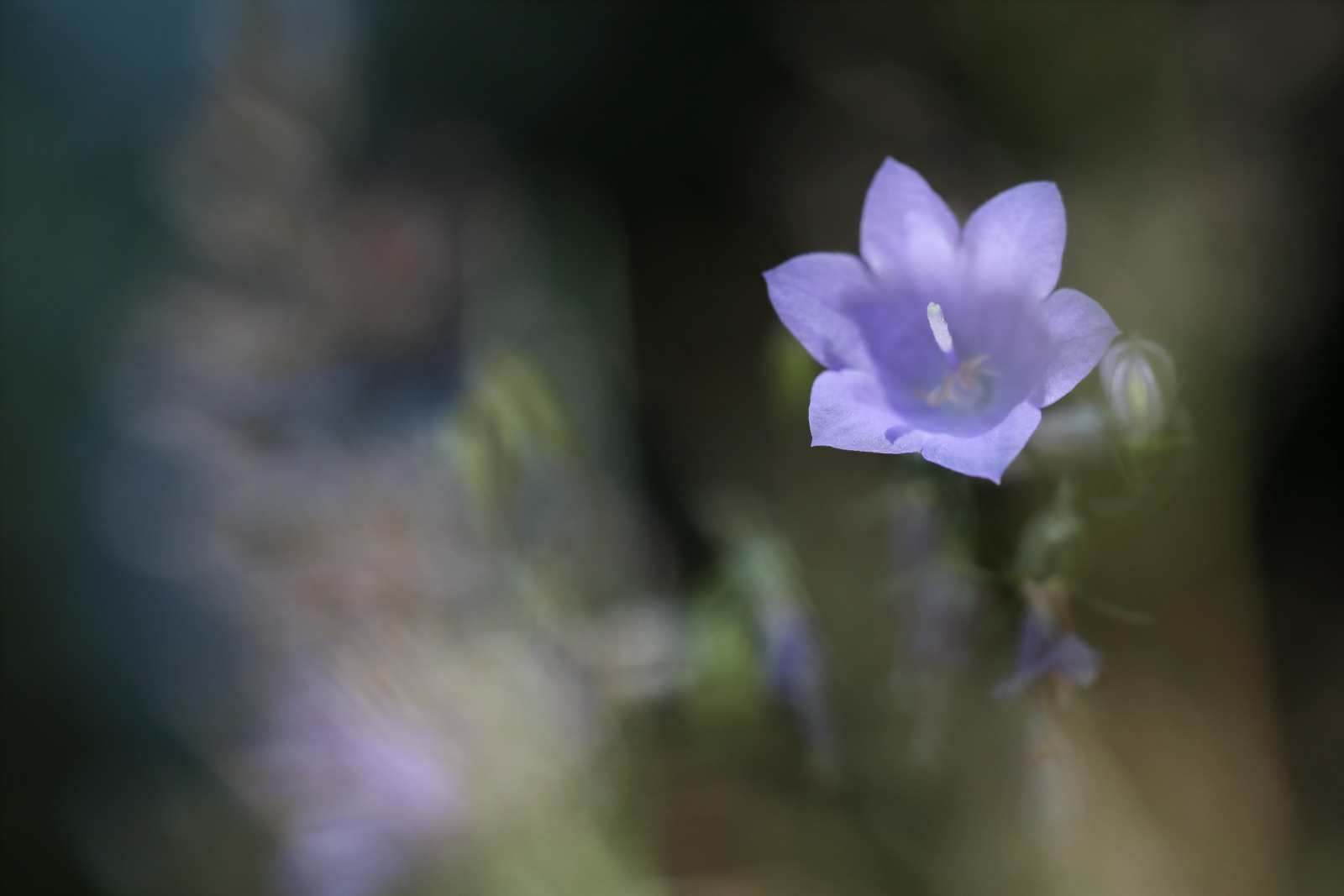
Harebell
September 2026 - Climate change and meadows
As I write this newsletter in the last few days of August, the Edinburgh Festival is drawing to a close, schools have reopened for the start of the new academic year and… it’s raining. For once I am not too disappointed as the garden is in need of moisture and the rain brings a freshness to the atmosphere - all a far cry from the hot temperatures that the month opened with.
Thankfully the wildfire epidemic throughout the UK is now effectively extinguished. I wrote last month about how the fires will have affected wildlife, yet nature still has a way of healing itself. Nevertheless, climate change (which fuelled the wildfires) will have caused the loss of thousands of animal lives. And now, it’s our turn. The loss of life due to flooding on the Nepal/Tibet border was both shocking and staggering. The cause has been attributed to the collapse of a glacier which, no doubt, will be due to climate change. The power of water is incredible; even just standing knee-deep in the Water of Leith gives a sense of the strength behind currents and flow. The images of the volume of water raging down the valley in Nepal were incredulous and, in addition to the massive and tragic impact on human lives, the death toll amongst wildlife will also be enormous.
I had a night’s photography on the Water of Leith in an effort to catch some interesting colour and light on the river. Light reflected from street lighting and overlooking residencies can give a very different, abstract perspective to the water. I had the place to myself around midnight and didn’t need to move from my spot as there were a number of compositions right in front of me. I eventually got home in the ‘small hours’ with a satisfying sense of accomplishment.
Meanwhile on Dundas where I work, the loch remains busy with mallards, coots, swans, greylag geese and moorhens while harebells continue to populate the hill.
Yesterday I took down our flower meadow on the front lawn of our home. It was the first time I had mown it since this time last year! We have undertaken ‘No mow May’ for several years now and extended it into ‘No mow spring and summer.’ The grasses and flowers have been lovely - even if a little late in coming. We had hawks-bit, fox and cubs, clover, dandelion, buttercup and marsh orchid - fourteen of them! It still amazes me that those flowers were always present trying to grow, yet continually thwarted by the lawn mower. Now they have their chance and seem to be spreading. Bees, hover-flies and a multitude of insects were attracted to the vegetation and I even found a frog hiding out in the longer grass. What makes it all the more satisfying is comments from the neighbours who, rather than finding the unkempt meadow a mess, enjoyed the colour that it brought… and we’ll do it all again next year.
September 2026 - Climate change and meadows
As I write this newsletter in the last few days of August, the Edinburgh Festival is drawing to a close, schools have reopened for the start of the new academic year and… it’s raining. For once I am not too disappointed as the garden is in need of moisture and the rain brings a freshness to the atmosphere - all a far cry from the hot temperatures that the month opened with.
Thankfully the wildfire epidemic throughout the UK is now effectively extinguished. I wrote last month about how the fires will have affected wildlife, yet nature still has a way of healing itself. Nevertheless, climate change (which fuelled the wildfires) will have caused the loss of thousands of animal lives. And now, it’s our turn. The loss of life due to flooding on the Nepal/Tibet border was both shocking and staggering. The cause has been attributed to the collapse of a glacier which, no doubt, will be due to climate change. The power of water is incredible; even just standing knee-deep in the Water of Leith gives a sense of the strength behind currents and flow. The images of the volume of water raging down the valley in Nepal were incredulous and, in addition to the massive and tragic impact on human lives, the death toll amongst wildlife will also be enormous.
I had a night’s photography on the Water of Leith in an effort to catch some interesting colour and light on the river. Light reflected from street lighting and overlooking residencies can give a very different, abstract perspective to the water. I had the place to myself around midnight and didn’t need to move from my spot as there were a number of compositions right in front of me. I eventually got home in the ‘small hours’ with a satisfying sense of accomplishment.
Meanwhile on Dundas where I work, the loch remains busy with mallards, coots, swans, greylag geese and moorhens while harebells continue to populate the hill.
Yesterday I took down our flower meadow on the front lawn of our home. It was the first time I had mown it since this time last year! We have undertaken ‘No mow May’ for several years now and extended it into ‘No mow spring and summer.’ The grasses and flowers have been lovely - even if a little late in coming. We had hawks-bit, fox and cubs, clover, dandelion, buttercup and marsh orchid - fourteen of them! It still amazes me that those flowers were always present trying to grow, yet continually thwarted by the lawn mower. Now they have their chance and seem to be spreading. Bees, hover-flies and a multitude of insects were attracted to the vegetation and I even found a frog hiding out in the longer grass. What makes it all the more satisfying is comments from the neighbours who, rather than finding the unkempt meadow a mess, enjoyed the colour that it brought… and we’ll do it all again next year.
